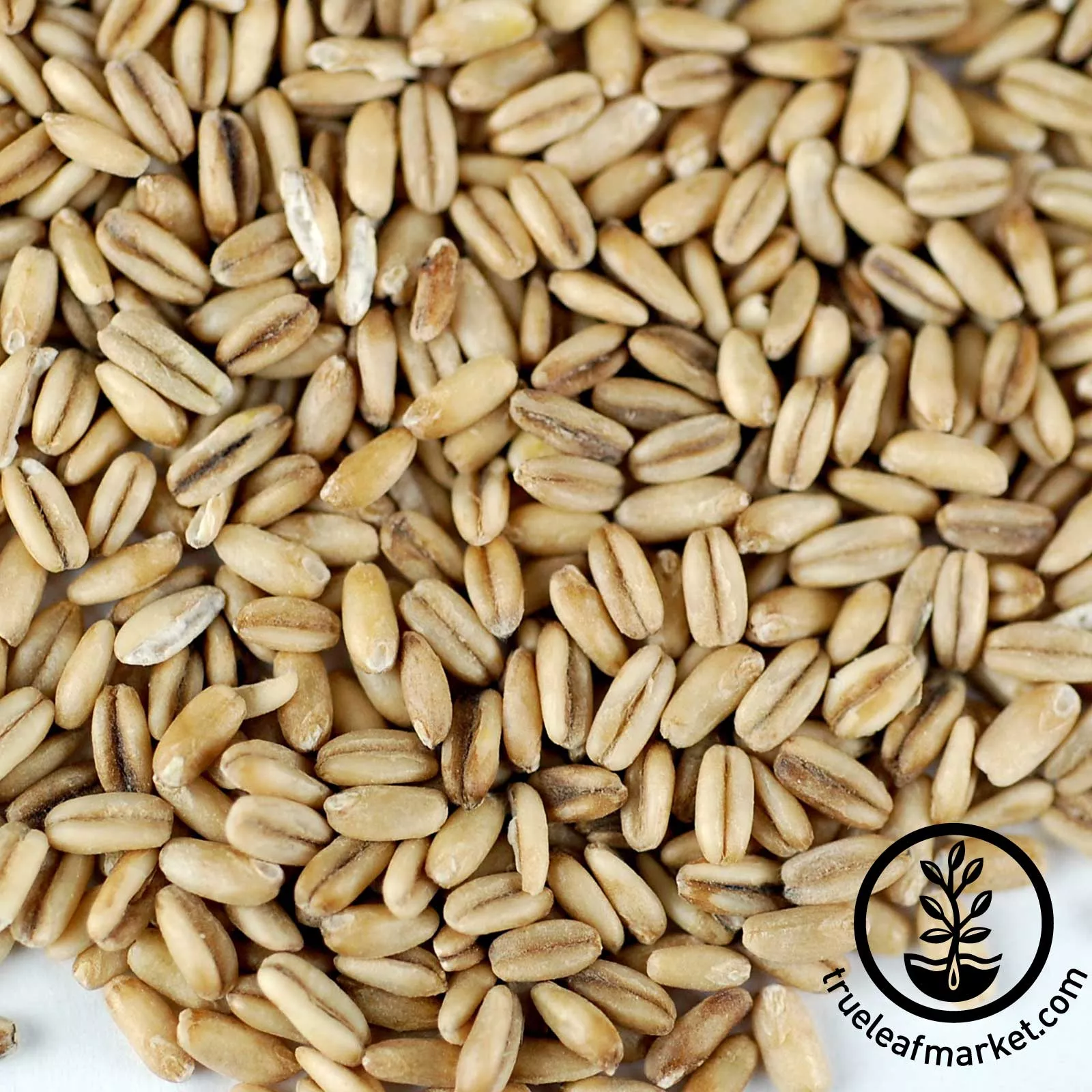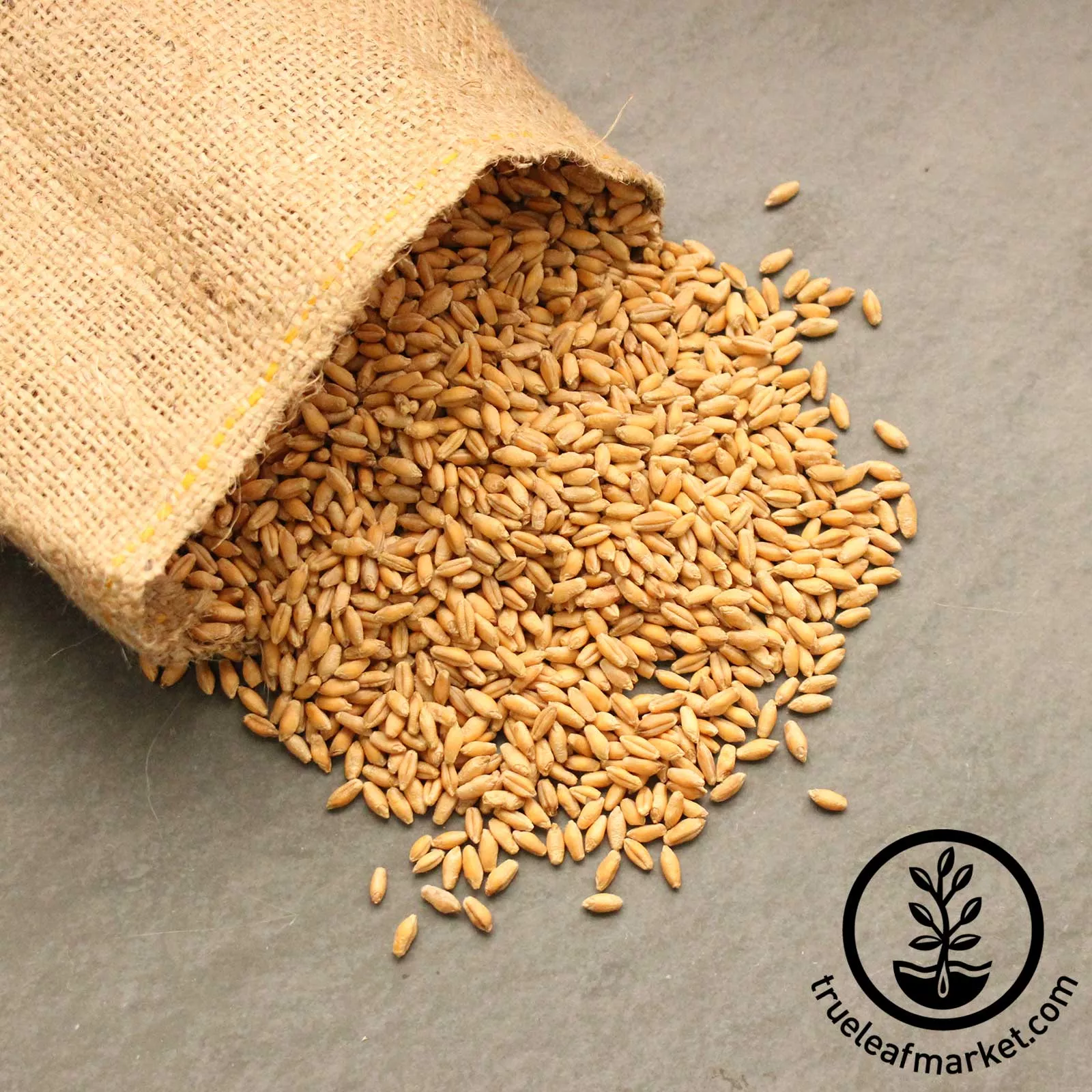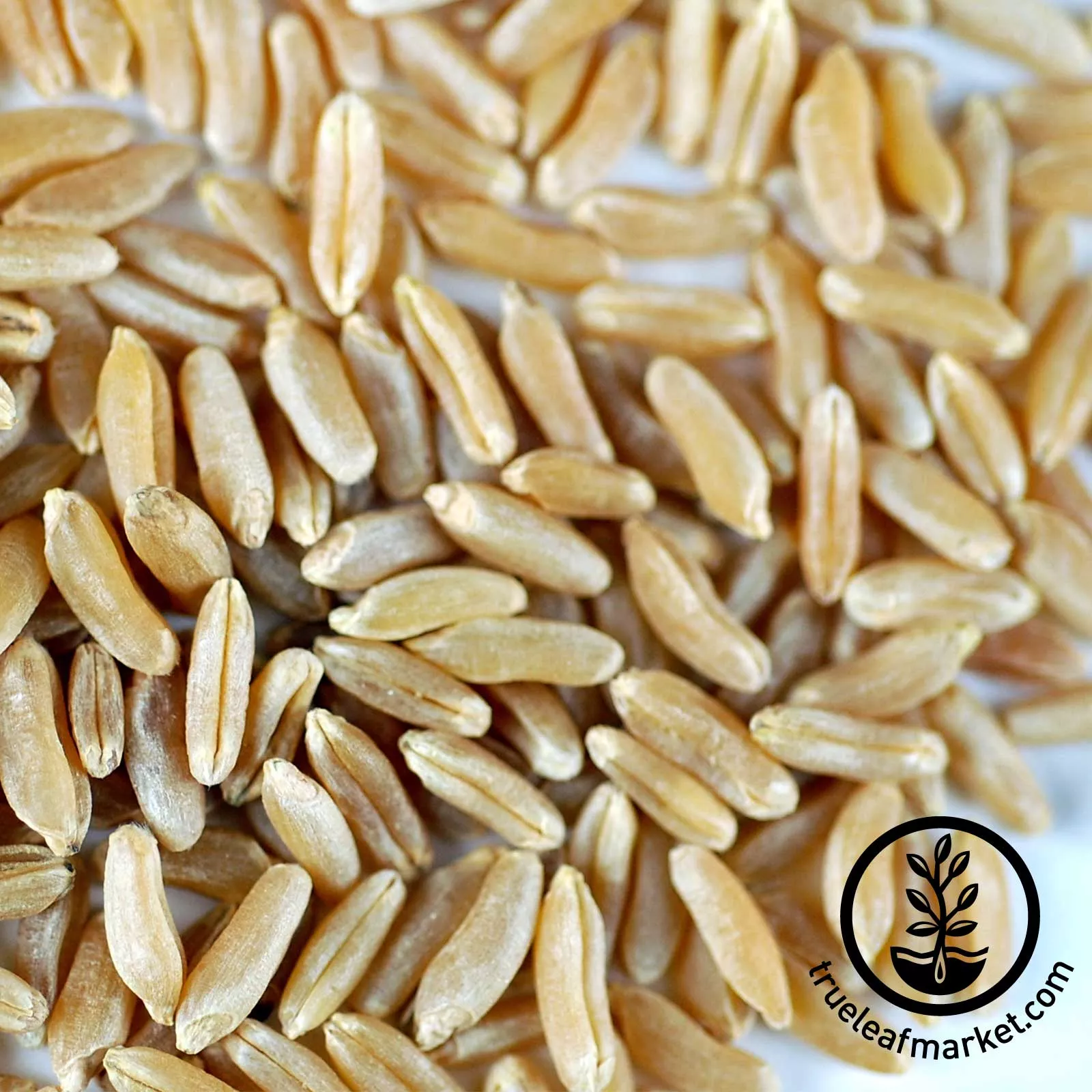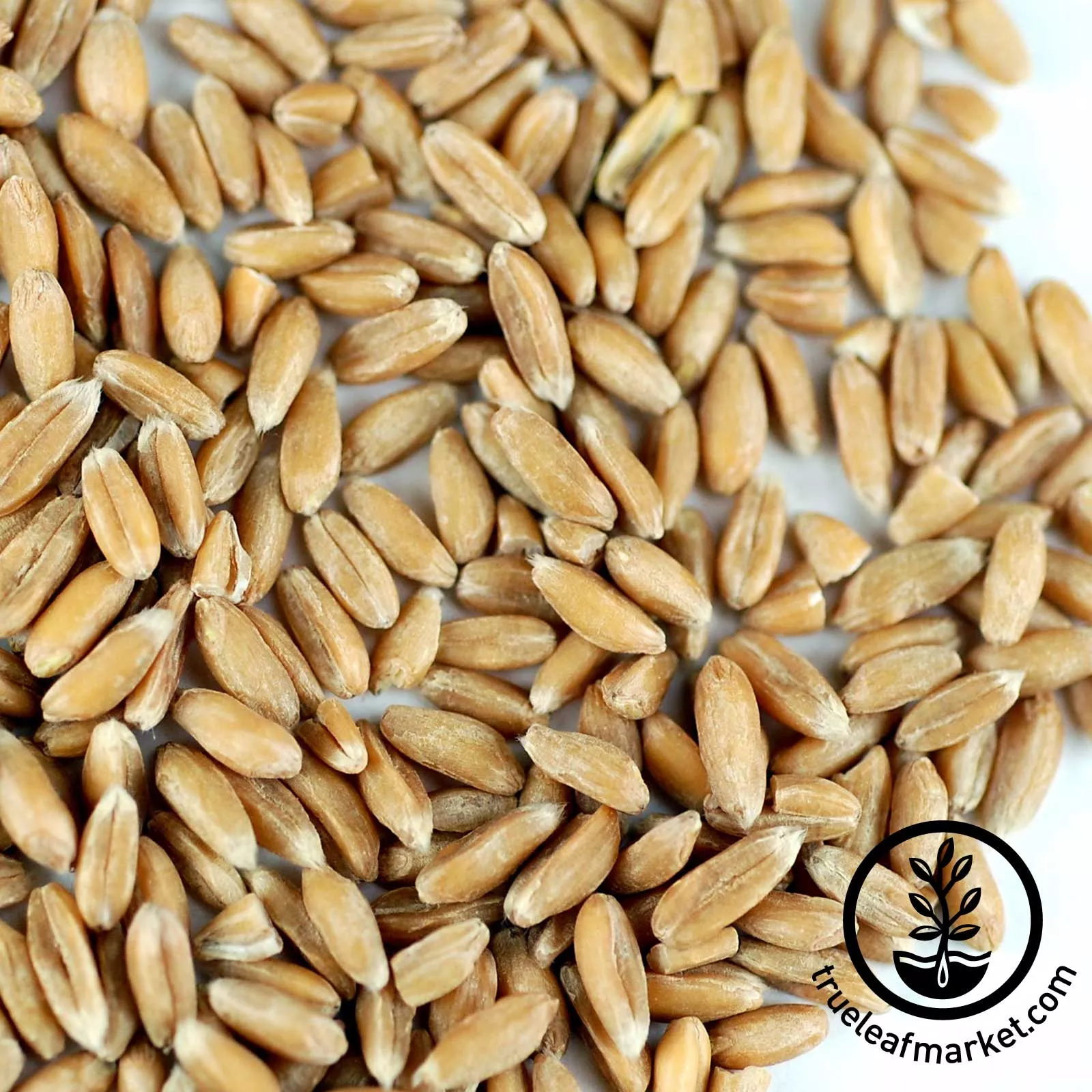
Spelt (Organic) – Bulk Grains
Original price was: $28.00.$19.86Current price is: $19.86.
Description
Organic Spelt Sprouting Seeds
Spelt as a Garden Plant
Planting spelt is very similar to planting winter wheat. Spelt needs full sun and a soil pH close to 6 in order to thrive. Additionally, spelt can grow in soil that has poor drainage, like clay. Use a broadcast seed-spreader or sow by hand in September for a June harvest. The seeds then need to be covered with about 2 to 4 inches of soil. Germination should occur in 1 to 3 days. It is important to note that spelt is often planted on bigger swaths of land and a smaller garden may not be suitable for much yield.
Popular Uses
Spelt can be used in place of wheat flour in most cases, although spelt provides a nuttier flavor than wheat. In fact, some people that have a difficult time digesting wheat may try substituting spelt in their baking as spelt contains a different type of gluten (the protein found members of the grass family that gives baked goods their desirable spongy texture) than the gluten found in wheat. Use spelt to make pasta, crackers, cakes, soup or bread. Spelt can also be grown and juiced in the same way that wheatgrass is juiced!
- Pasta
- Crackers
- Baked goods
- Soup
- bread
- Juice
History
Spelt has been cultivated for thousands of years and was brought to the U.S. by Swiss immigrants. It has been mentioned in numerous Roman texts and the Bible. Spelt maintained its popularity until the late 1800s. Spelt was considered food that was only fit for a peasant. Spelt began to fall out of favor when growing wheat became more popular, largely because of the ease with which wheat could be harvested with combined harvesters and would result in a higher yield. The spelt grains have a tough outer husk that takes time to remove, unlike wheat which is much easier to harvest. Spelt’s thick husk has its benefits though, it is more disease and pest resistant. Fortunately, spelt experienced a revival in Europe in the mid 1980s and it has maintained its presence in the health world.
Health Benefits
Because spelt goes through less processing than wheat, it retains more of its nutrients, of which there are many! Spelt is rich in B vitamins, protein, fiber, manganese, phosphorous, and niacin. It is high in complex carbohydrates and was even referred to as a “Ëœmarching grain” as excellent fuel in preparation for battle. The combination of complex carbohydrates and fiber have been linked to improved cardiovascular health.
Related products
-
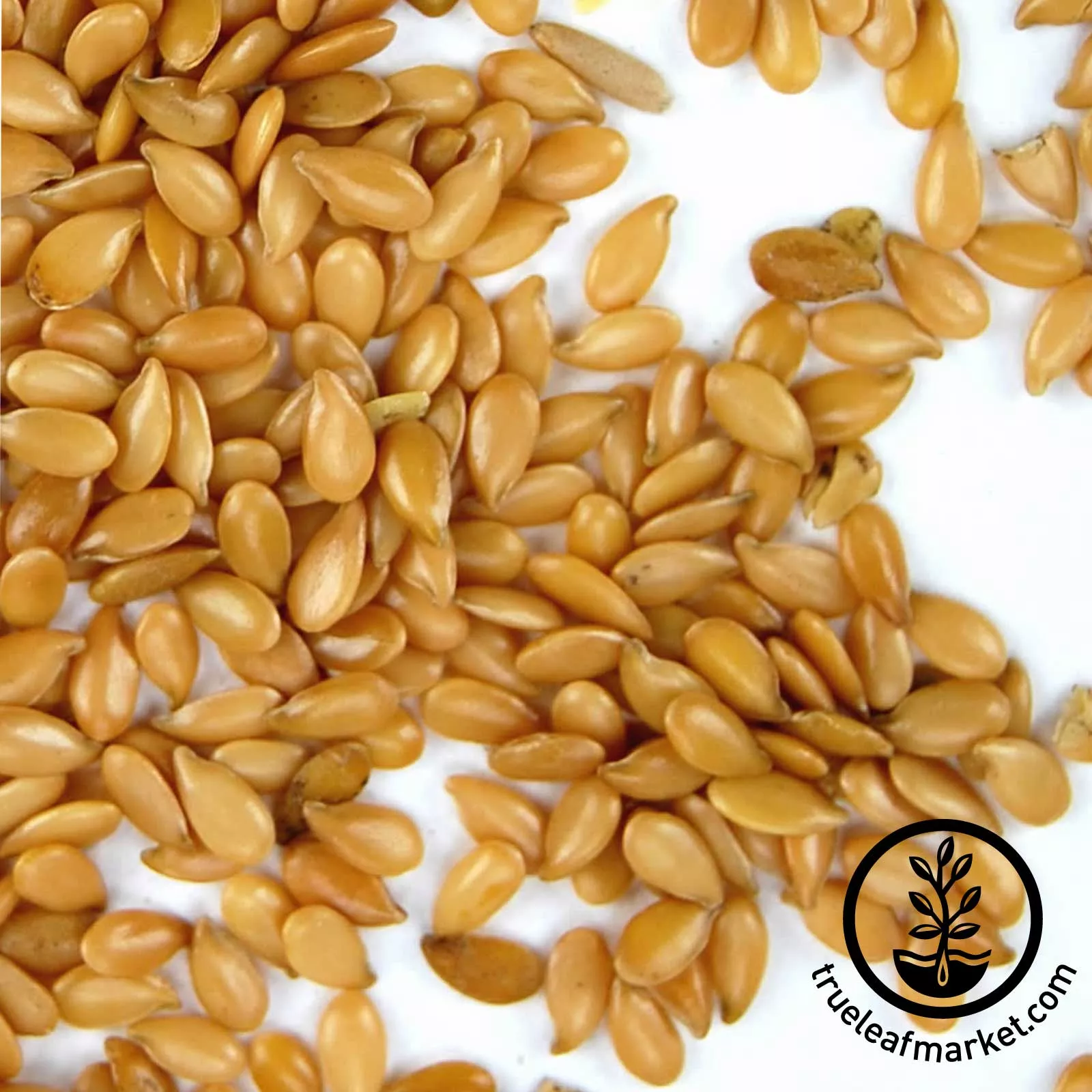
Flax Seeds – Golden
Original price was: $20.80.$14.07Current price is: $14.07. -
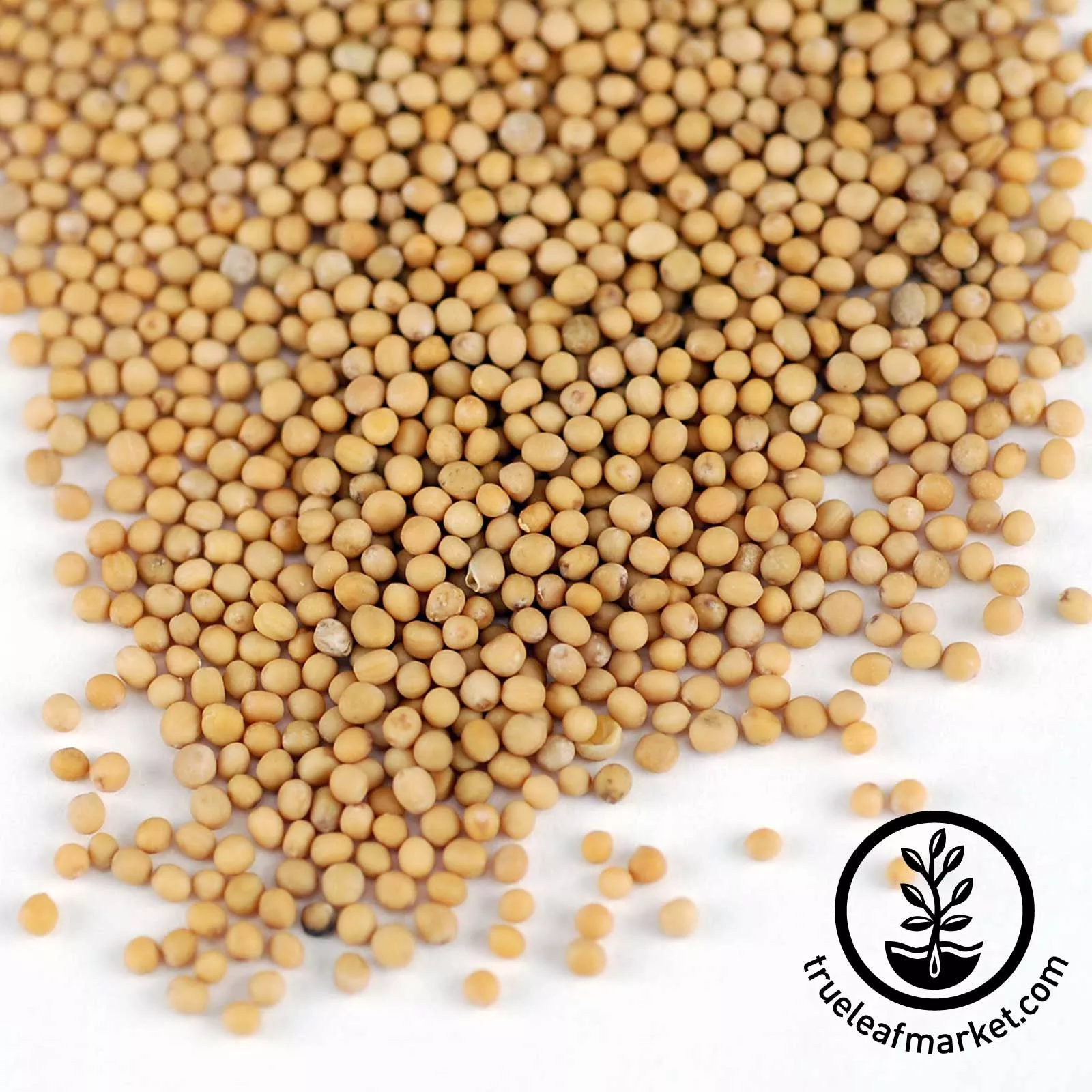
Whole Millet (Organic) – Bulk Grains
Original price was: $48.00.$24.96Current price is: $24.96. -
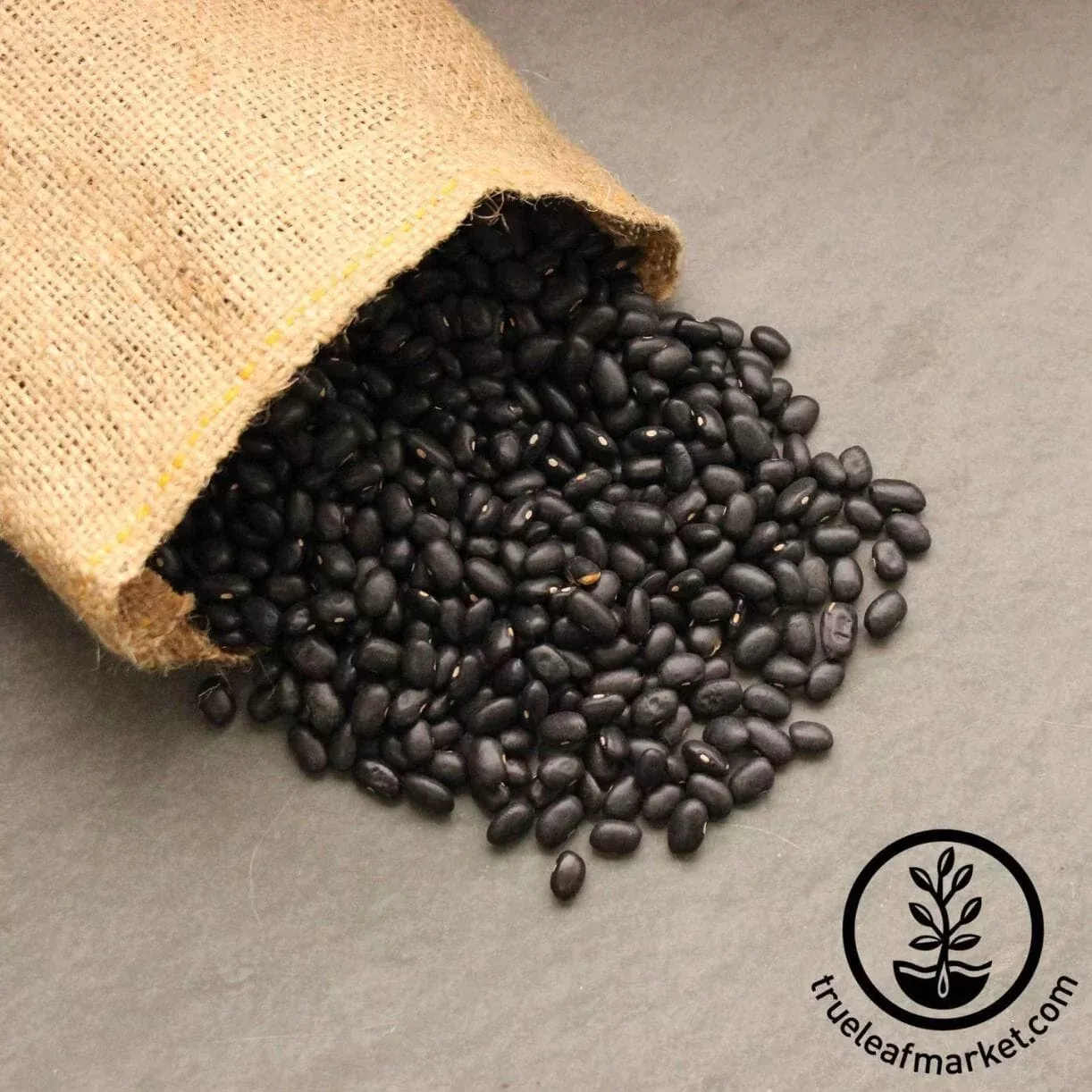
Bean Seeds – Bush – Black Turtle (Organic)
Original price was: $9.60.$6.31Current price is: $6.31. -
Oat Groats (Organic) – Bulk Grains
Original price was: $11.20.$7.43Current price is: $7.43. -
Triticale (Organic) – Bulk Grain
Original price was: $6.40.$4.37Current price is: $4.37. -
Kamut (Organic) – Bulk Grains
Original price was: $40.00.$20.12Current price is: $20.12. -
Millet – Hulled (Organic)
Original price was: $36.00.$18.02Current price is: $18.02. -
Barley Seeds – Belford
Original price was: $5.60.$3.79Current price is: $3.79.