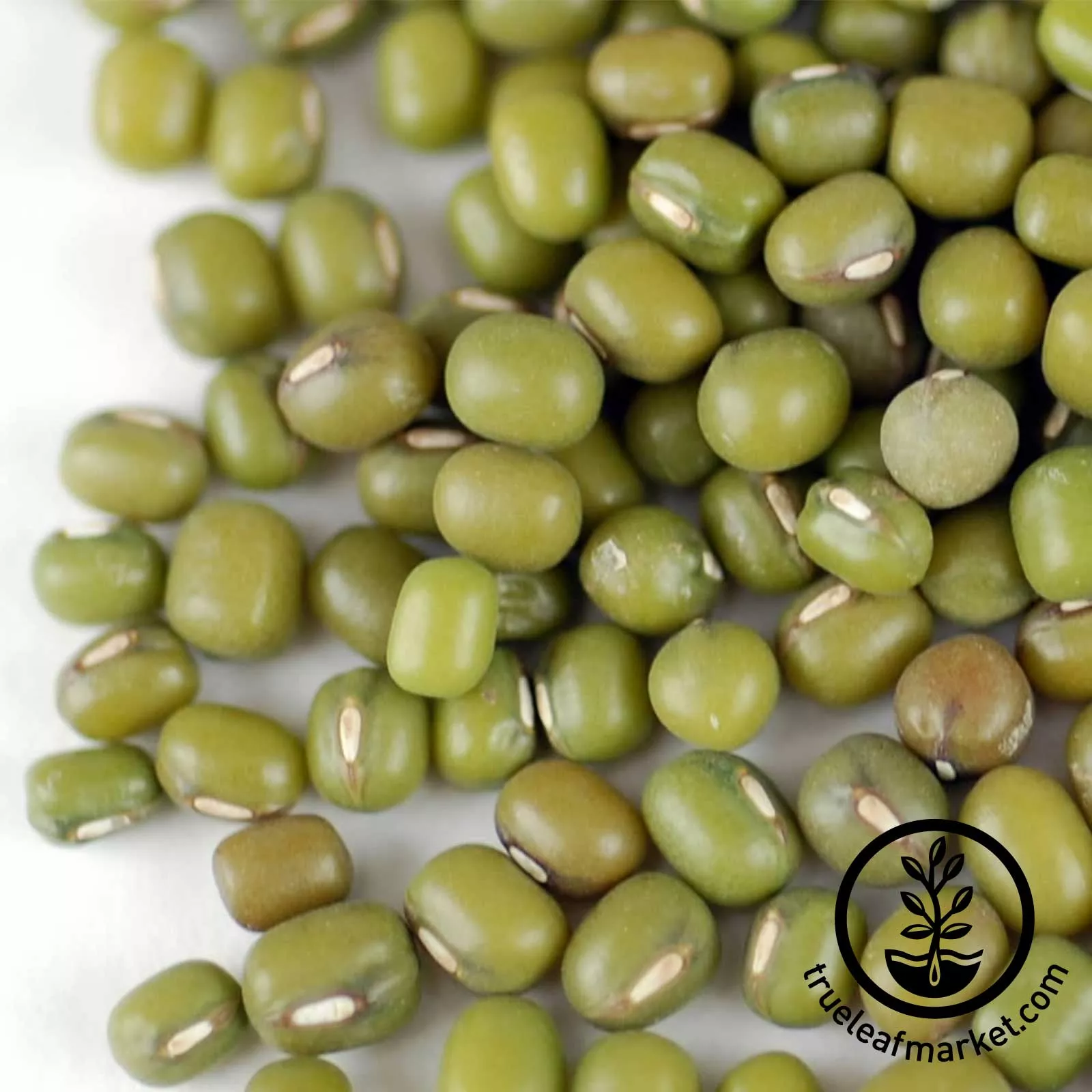
Mung Bean – Organic – Sprouting Seeds
Original price was: $4.00.$3.17Current price is: $3.17.
Description
Organic Mung Bean – Sprouting Seeds
Downloadable Free Sprout Growing Guide
Growing Organic Mung Bean Sprout Seeds
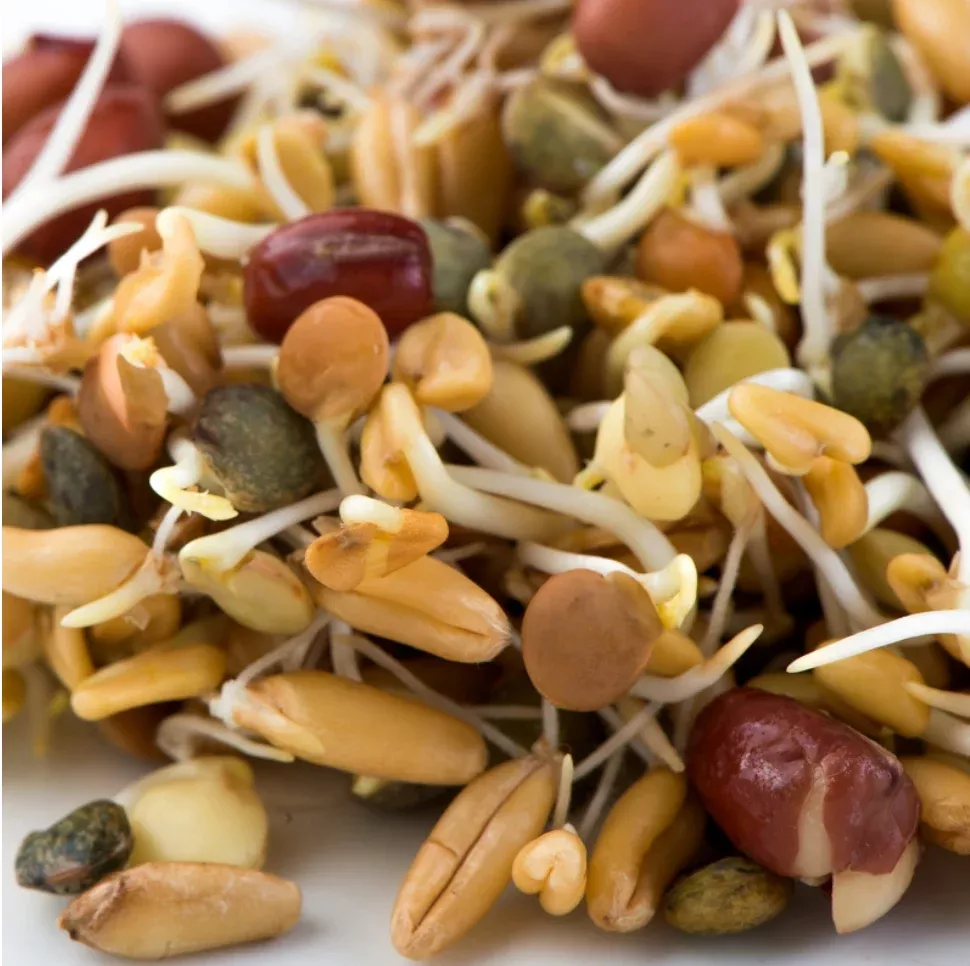
Mung beans are clean and odorless to sprout. The initial soak period for mung bean sprouts is 4-6 hours. Following the soak, seeds can be poured into the sprouting jar or tray. They should be rinsed 2-3 times per day for 2-4 days. All water should be drained after rinses in order to maintain the freshness and crispness of sprouts and avoid waterlogging. Sprouts can be grown in jars or trays, For best flavor, cover sprouts from light after the first day of sprouting.
They can be harvested as early as 48 hours for a smaller sprout, or they can be grown longer in order to harvest larger and crunchier 3-4 in. sprouts. For sprout storage, make sure your beans are completely dry. Keep them in a container with a paper towel at the bottom to absorb excess water. Alternatively, store sprouts in a sealed container full of fresh water in the fridge, and make sure to change the water every day. This method can keep bean sprouts fresh and crisp for up to a week. To get the long bean sprouts common to asian dishes, protect the sprouts from sunlight until they reach the desired length and grow in a container or strainer that is large enough to allow several inches of growth.
We recommend using filtered water for the best sprouting results.
Benefits of Organic Mung Bean Sprouts
Consuming beans in the form of sprouts is a great nutritional choice, as they lose many nutrients and antioxidants when heated. These sprouts provide high levels of plant-based proteins. They contain high levels of Fiber, Potassium, Phosphorus, Magnesium, Zinc, Vitamins B1, B2, B3, B5.
Culinary Tips
Mung bean sprouts are common across a variety of cuisines. Domesticated to much of eastern Asia and the Indian subcontinent, the mung bean is a traditional staple used as both a sweet and savory component to entrees and desserts in Chinese, Filipino, and Indian cuisines. Try using sprouts in stir-fries, salads, pad thai, or curries to give your dish a fresh crunch and added nutritional value.
Tips From Our Gardeners
“Organic mung bean seeds mature into a legume cover crop that makes an ideal seasonal cover crop and companion plant known to replenish depleted soils of essential nitrogen and weed suppression. After harvest, the vines can be mowed down and tilled back into the soil as an organic and all-natural “green manure” to supplement spring soils ready for sowing. “
| – Chelsea Hafer, True Leaf Market Writer |
Other Sprouting Resources:
How to Use Microgreens and Sprouts?
Sprouts vs Microgreen Seeds
Does True Leaf Market Test Their Seeds
Why are Sprouts and Microgreens Healthy?
For more on sprouting, check out our Seed Sprouting FAQ, from customers just like you!
Seeds per Package:
- 15 g packet – Wholesale – Approximately 300 seeds
- 4 oz – Wholesale – Approximately 2,500 seeds
- 8 oz – Wholesale – Approximately 5,000 seeds
- 1 lb – Wholesale – Approximately 10,000 seeds
- 2.5 lb – Wholesale – Approximately 25,000 seeds
- 5 lb can – Wholesale – Approximately 50,000 seeds
- 30 lb bucket – Bulk Seeds – Approximately 300,000 seeds
Non-GMO Organic Mung Bean sprouting seeds are available for Fast Free Shipping on qualifying orders.
Related products
-
Onion Sprouting Seeds
Original price was: $13.60.$7.09Current price is: $7.09. -
Sorghum Seeds – Rox Orange Syrup Cane
Original price was: $4.80.$3.54Current price is: $3.54. -
Mellow Microgreen Mix Sprouting Seeds
Original price was: $10.40.$7.26Current price is: $7.26. -
Chinese Cabbage – Sprouting Seeds
Original price was: $2.53.$1.92Current price is: $1.92. -
Ancient Eastern Blend Sprouting Seeds
Original price was: $4.80.$3.03Current price is: $3.03. -
Ruby Beet Sprouting Seeds
Original price was: $5.60.$3.75Current price is: $3.75. -
Fenugreek Sprouting Seeds
Original price was: $4.80.$2.86Current price is: $2.86. -
Curly Cress Sprouting Seeds
Original price was: $4.80.$3.10Current price is: $3.10.